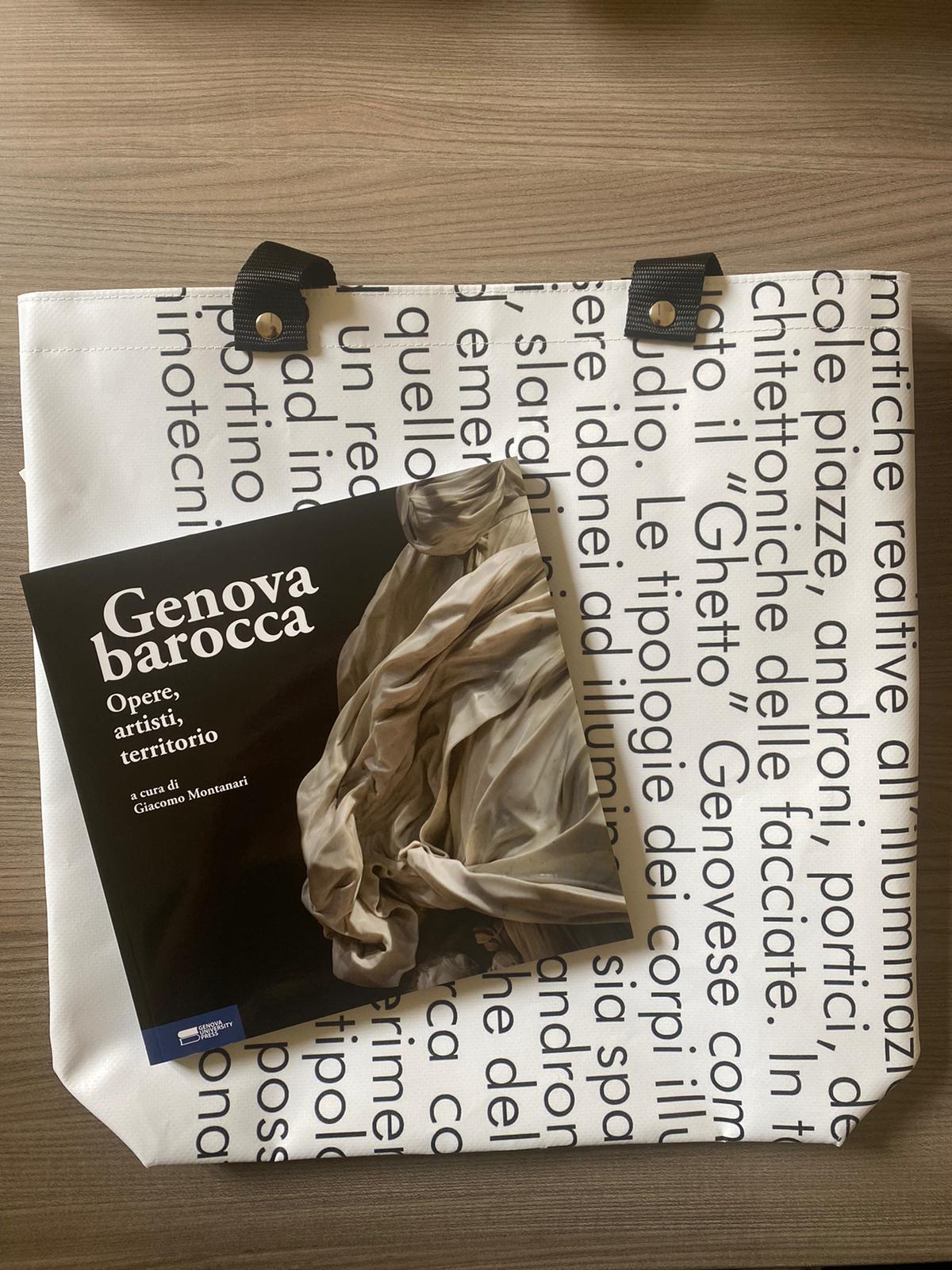


UniGe and Creazioni al Fresco - Sc'Art began a collaboration in 2022 based on a shared belief in the need to promote a culture that is inclusive, sustainable, and respectful of everyone’s rights, with the aim of achieving socio-environmental improvement, starting with even the smallest steps.
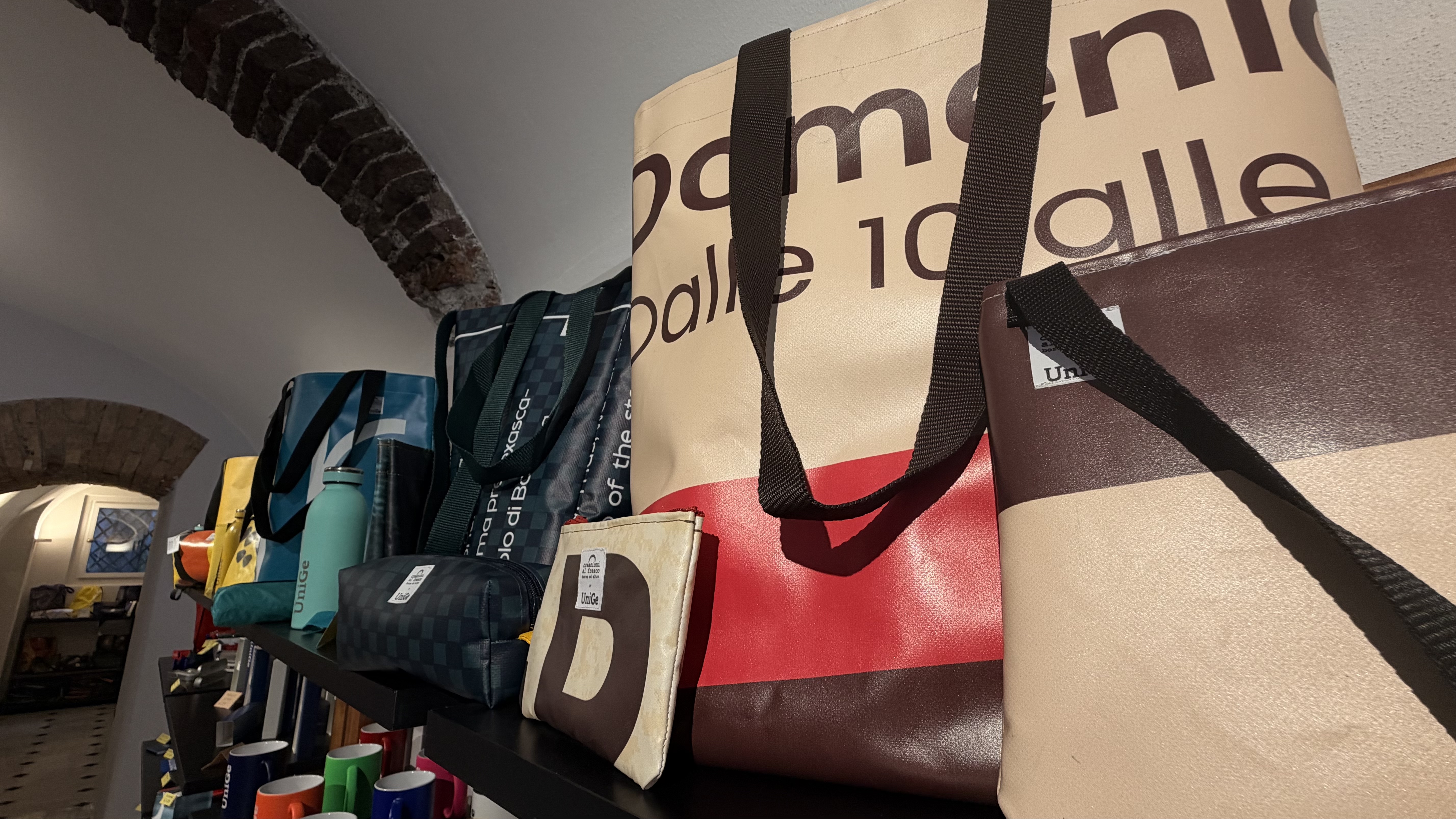
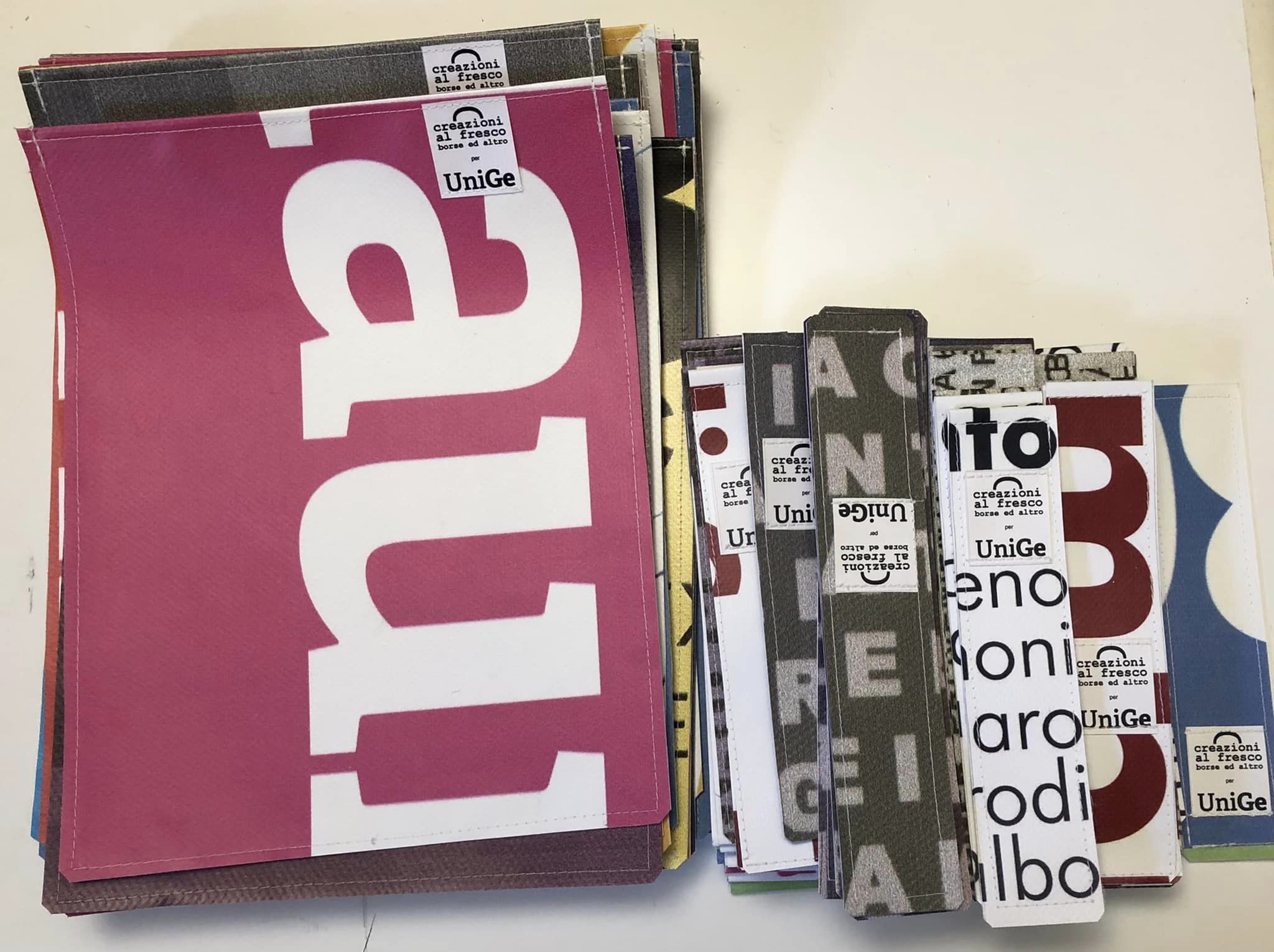
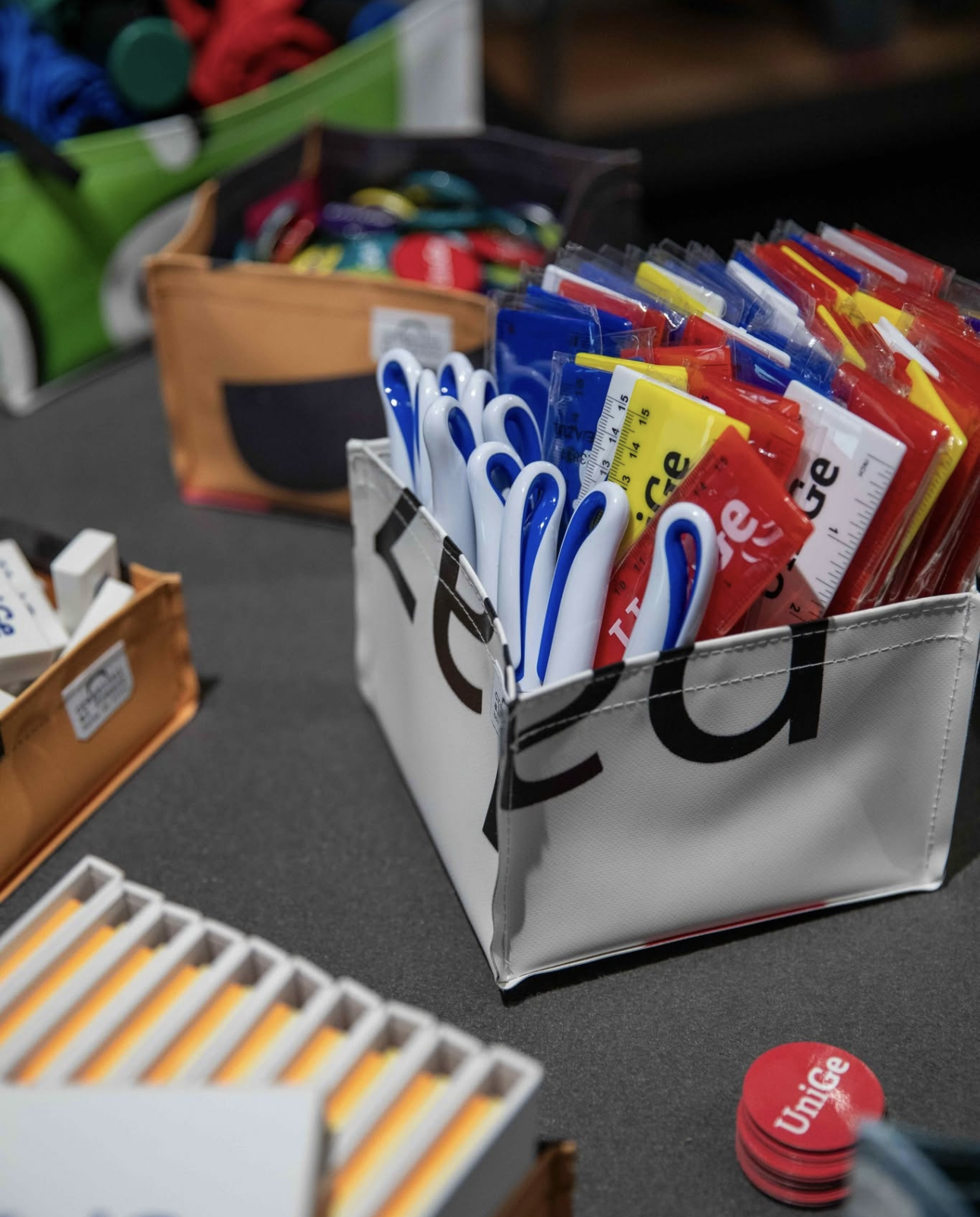
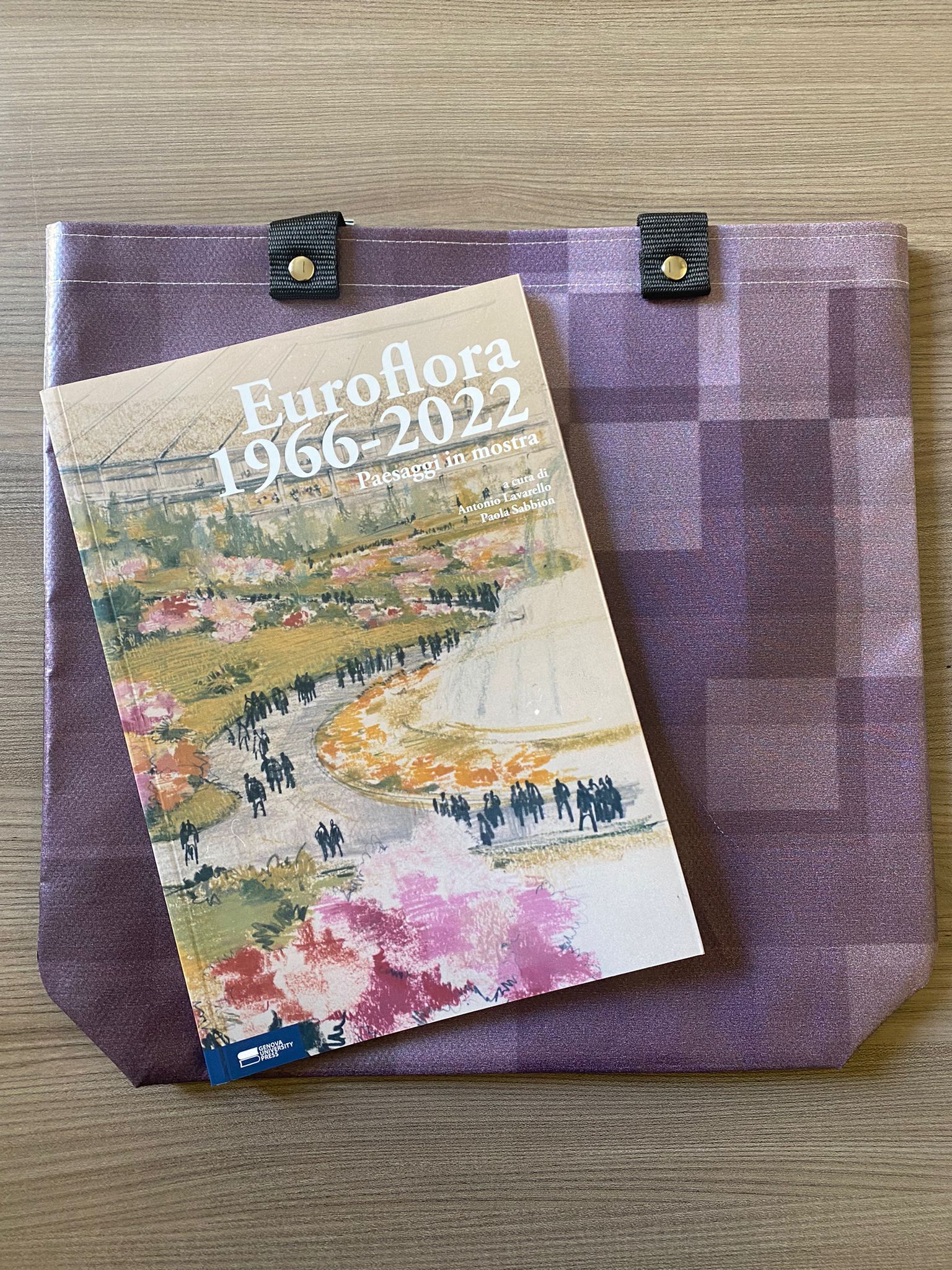
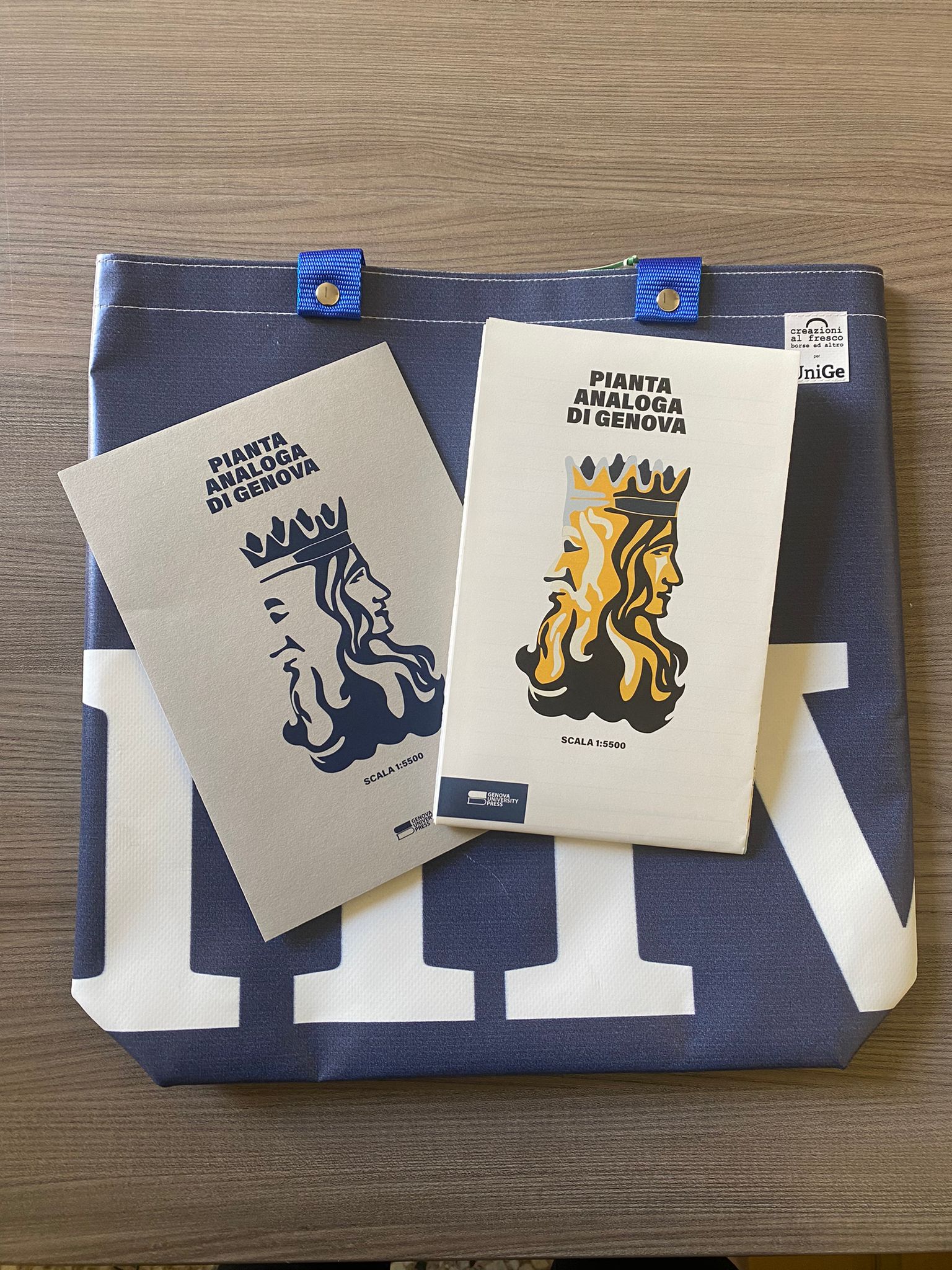
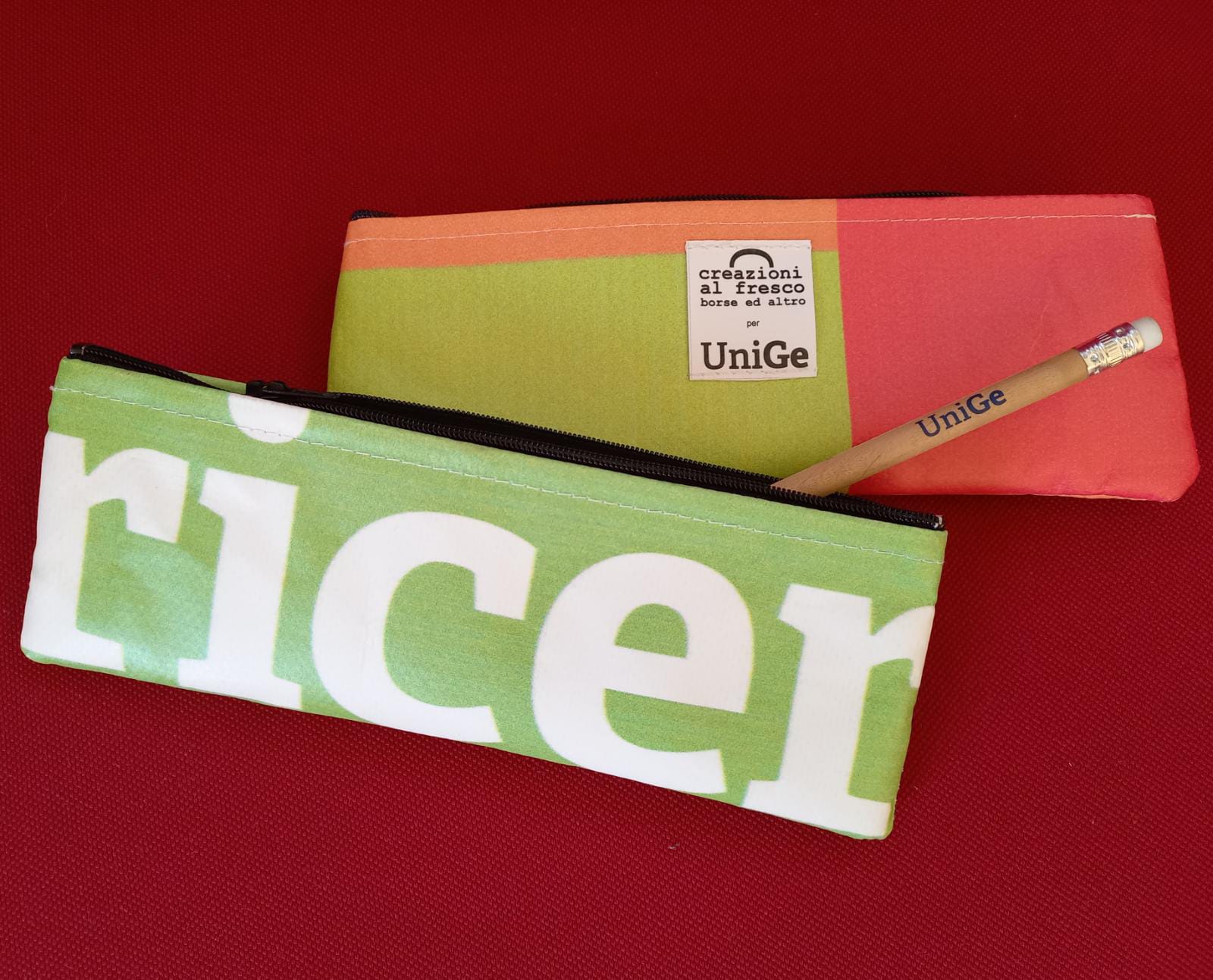
The first result of this partnership took shape with the creation of beautiful sewn items made from discarded UniGe banners: scraps transformed by the creativity and skilled hands of the women from Creazioni al Fresco into colorful accessories designed specifically for those who read, study, highlight, or flip through books.
The first items were displayed at Book Pride 2022 (Palazzo Ducale in Genoa, September 30–October 1 and 2, 2022) at the Genova University Press (GUP) booth, which for years, in line with the University’s policies, has been committed to minimizing its environmental impact and promoting inclusive projects.
The collaboration between UniGe and Sc'Art led to an exchange of expertise that is materializing into a valuable synergy, which is very important not only for aspects of the circular economy but also for the relationship with the local area and its community, starting with the most vulnerable members.
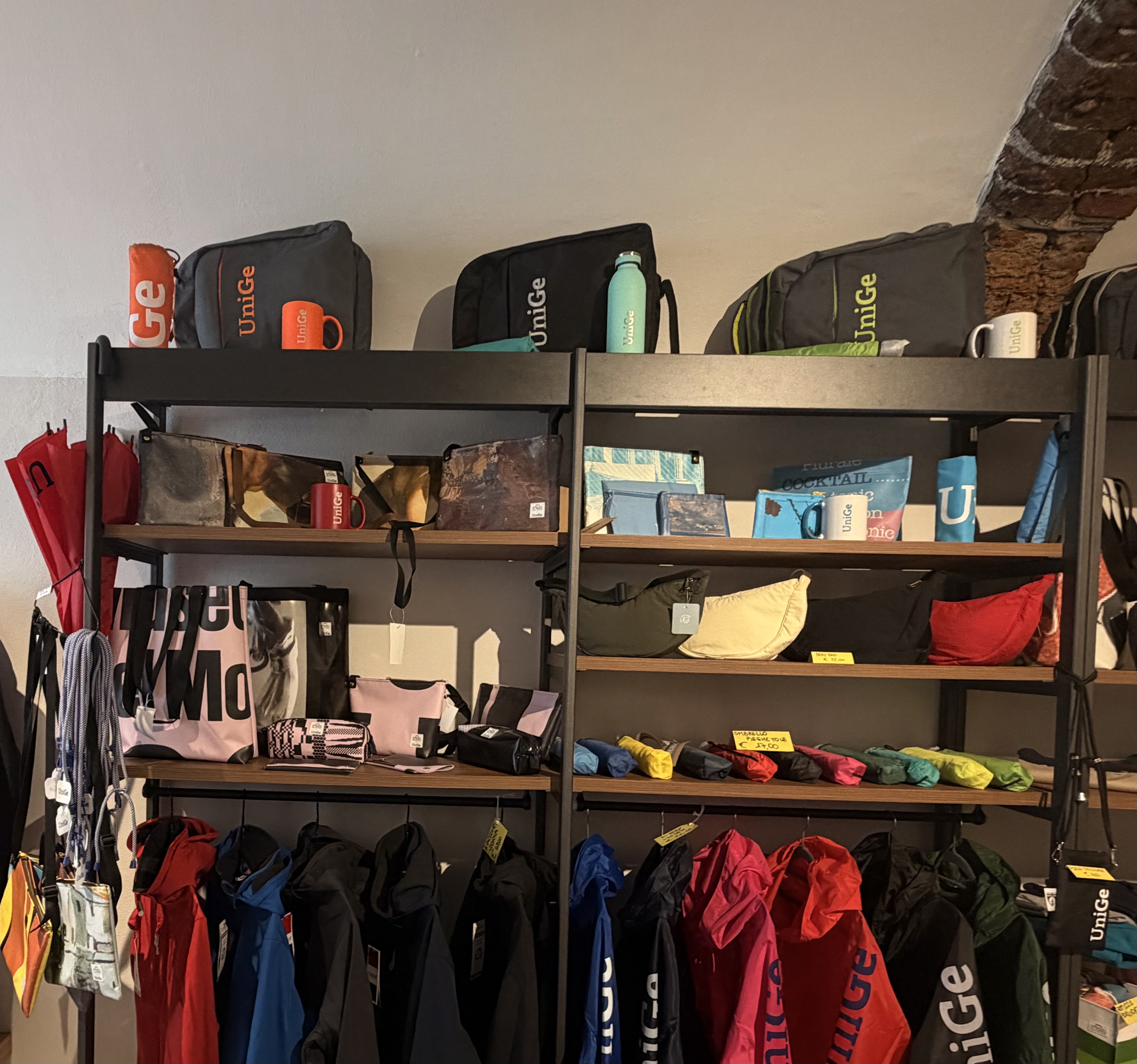
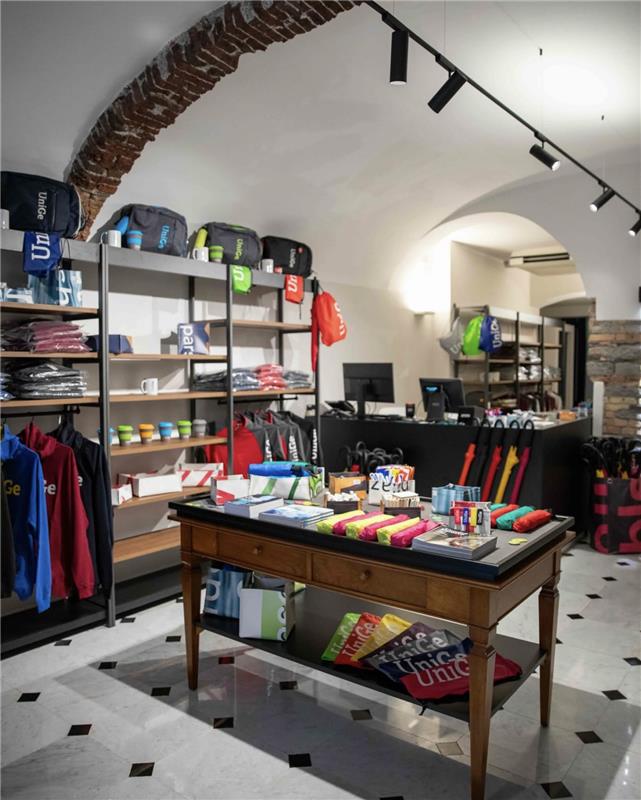
Today, many Creazioni al Fresco products are also available at the UniGe Store [hours here].
Furthermore, the collaboration has also materialized in the joint Universal Civil Service project “Parole oltre le mura” (Words Beyond the Walls).
Sc’Art! is a social promotion association composed of women who are committed both to protecting the environment and, above all, to providing job placement opportunities and promoting well-being—particularly for people in vulnerable socioeconomic situations—within a framework that respects both the environment and humanity. It organizes activities in the fields of training and education, learning and the artistic.
Sc’Art’s Creazione al Fresco project combines environmental awareness—promoting a culture opposed to waste—with pathways to social inclusion, where participants become active agents in a process of reconstruction. The creation of unique, hand-sewn pieces using discarded materials is therefore not an end in itself, but a means to foster inclusion and provide opportunities to upgrade skills and expand employment prospects.